
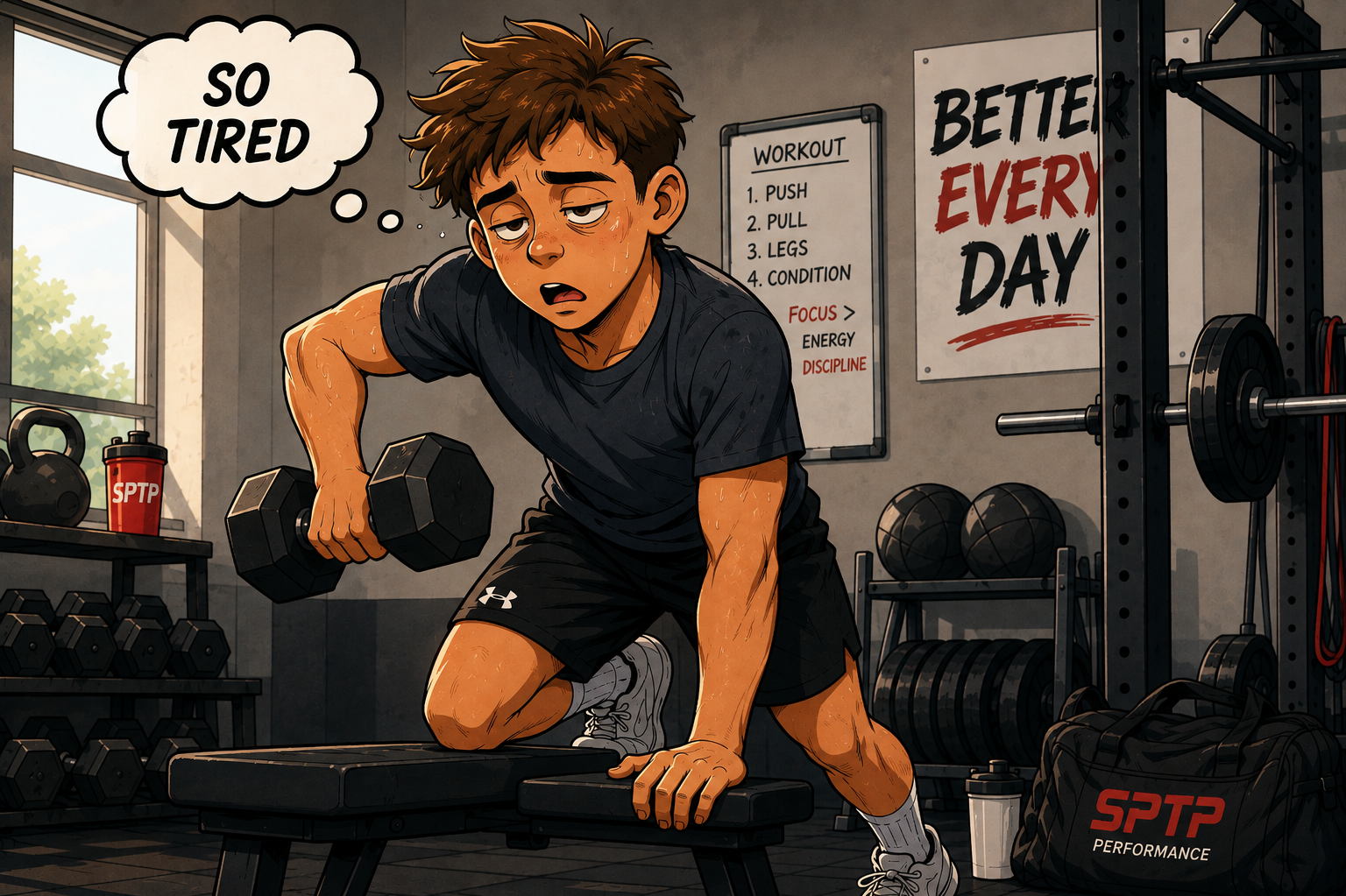
Sleep: The Most Powerful Recovery Tool for Athletes
Athletes spend hours on strength training and nutrition, but often overlook their most powerful recovery tool: sleep. Learn how quality sleep repairs muscle tissue, strengthens new skills, regulates hormones, and lowers injury risk — plus practical tips to help athletes of any age sleep better and perform at their best.

Rotator Cuff Related Shoulder Pain in Weightlifting
Struggling with shoulder pain when lifting? Learn what the rotator cuff actually does, why overload causes pain, and how to keep training safely with smart exercise modifications, load adjustments, and PT-recommended strengthening moves — no need to stop lifting altogether.
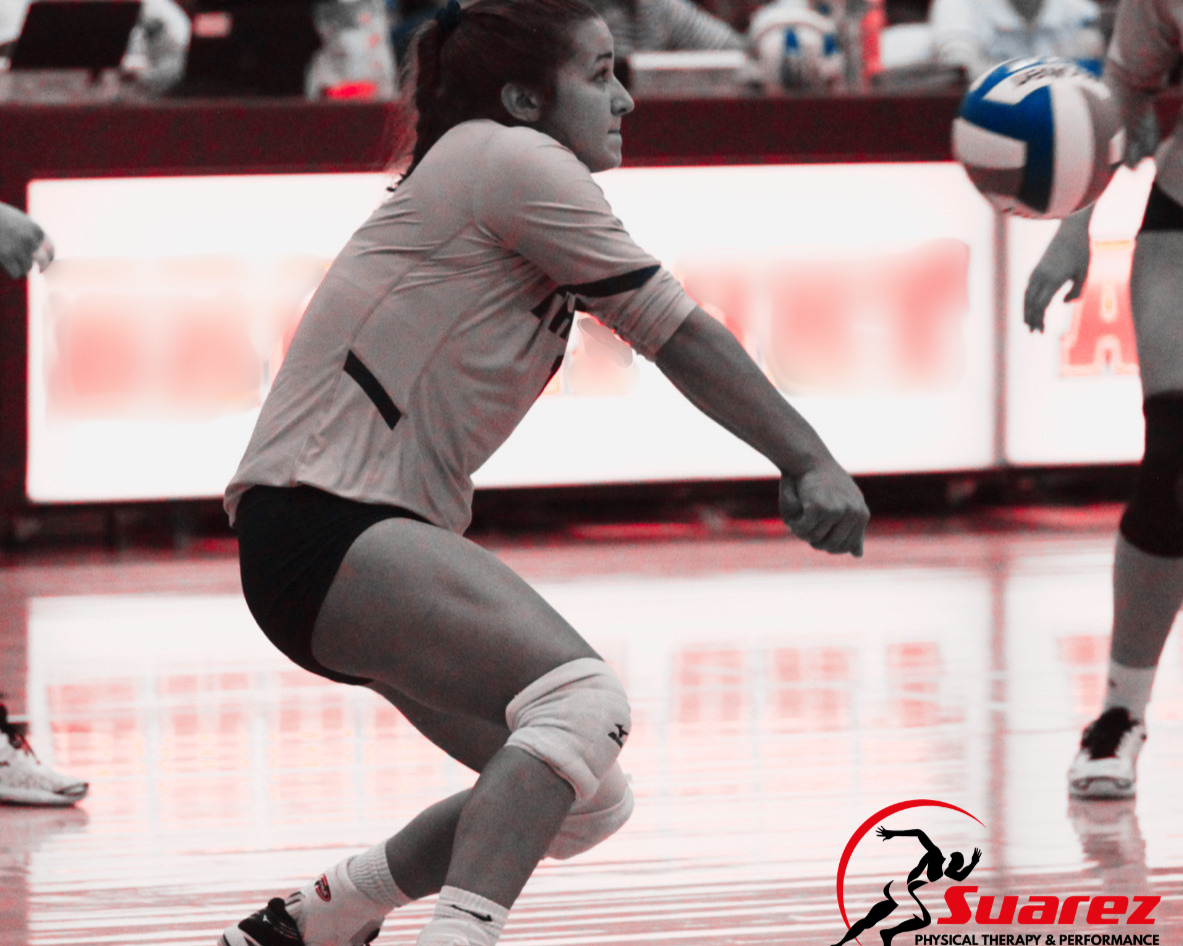
Staying Healthy on the Court: Decreasing the Risk of Volleyball Injuries
Volleyball is one of the most popular sports for young athletes — and one of the most demanding. With powerful jumps, quick direction changes, and split-second reactions, it's no surprise that injuries are common. About 50–60% of all volleyball injuries occur in the lower body, with ankle sprains and knee injuries topping the list. The good news? We can reduce the risk of many of these injuries. From dynamic warm-ups and strength training to proper landing technique and smart training loads, there are proven strategies to keep athletes healthy all season long. Click here to learn what every volleyball player and family should know.

Little League Elbow: What to Know
Youth baseball is one of the most rewarding sports for kids — but for players ages 9–13, it comes with a unique set of risks. During this critical growth phase, developing bones and growth plates are more vulnerable to the repetitive stress of throwing, making young pitchers especially susceptible to Little League elbow. More than half of youth players show signs of arm stress on imaging, yet most of these injuries are preventable. With the right pitch count limits, proper rest, and a well-rounded training approach, parents and coaches can protect young athletes and set them up for a long, healthy career in the game they love. Read on to learn what every baseball family should know.
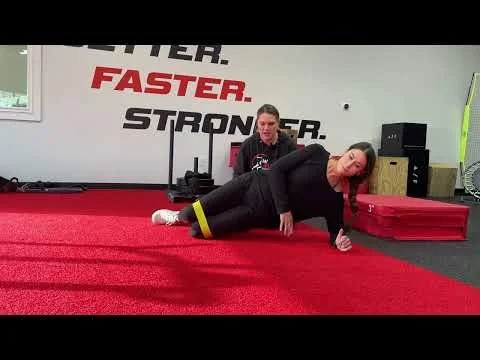
Why is Strength Training Important for Runners?
Strength training isn’t just for powerlifters or bodybuilders—it’s essential for runners, too. Many runners skip the weights and choose cross-training options like swimming or cycling, often out of fear or misinformation. A common myth is that strength training leads to muscle bulk and slows you down. In reality, strength training improves your resilience, efficiency, and speed, while reducing injury risk and helping you perform better—no matter your distance or pace.

Understanding and Managing Low Back Pain
As Physical Therapists our job is to teach our clients how to stay active while dealing with low back pain as well as teach strategies to reduce and manage pain. While your first instinct may be to rest when in pain, bedrest has been proven to actually prolong recovery in low back pain and should not be used as a strategy for recovery. Movement should be encouraged and performed as tolerated as it promotes fluid exchange within the spinal discs, increases blood flow to the back's soft tissues, and helps maintain muscle strength and flexibility.
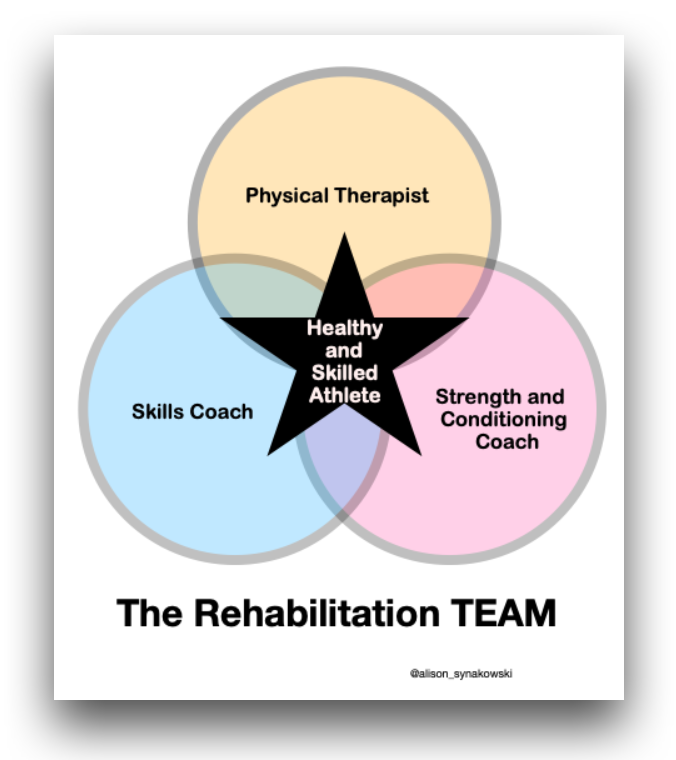
Injured? You Need a Rehabilitation TEAM
As performance based Physical Therapists, we strive to be an active part of the rehabilitation TEAM, whether athletes are coming back from strains, movement limitations or weaknesses, or rehabbing after surgery for fractures, torn ligaments, etc. This team includes your physical therapist, skills coach and strength coach, who should be communicating and working together with your health and performance as their primary focus.

Knee Pain in CrossFit, Running, Lifting
Are you a CrossFitter, runner, athlete experiencing pain at the front of your knee? Knee pain can be a frustrating and self-limiting injury, but it does not necessarily have to be. Often, there are ways to heal while continuing many of the activities you enjoy, and it may even be a critical part to the healing process to remain active and in the gym.

Non-Surgical Management of ACL Injuries: Updating Conservative Care
Typically, when an individual tears their ACL, they undergo surgery to reconstruct the ligament. A significantly smaller population opts not to have surgery and go without an ACL. But, what if there was another option? What if the ACL could heal through rehab without surgery? That crucial question is currently being explored and we are here for it! So let’s talk about the “Cross ACL Bracing Protocol.”

The Forgotten Muscles: The Calves
Learn about the often forgotten calf muscle group, testing the strength of your calves and 10 exercises for strengthening your calf muscle group.