
Little League Elbow: What to Know
Commonly Affected Athletes, Risk Factors & Recommendations
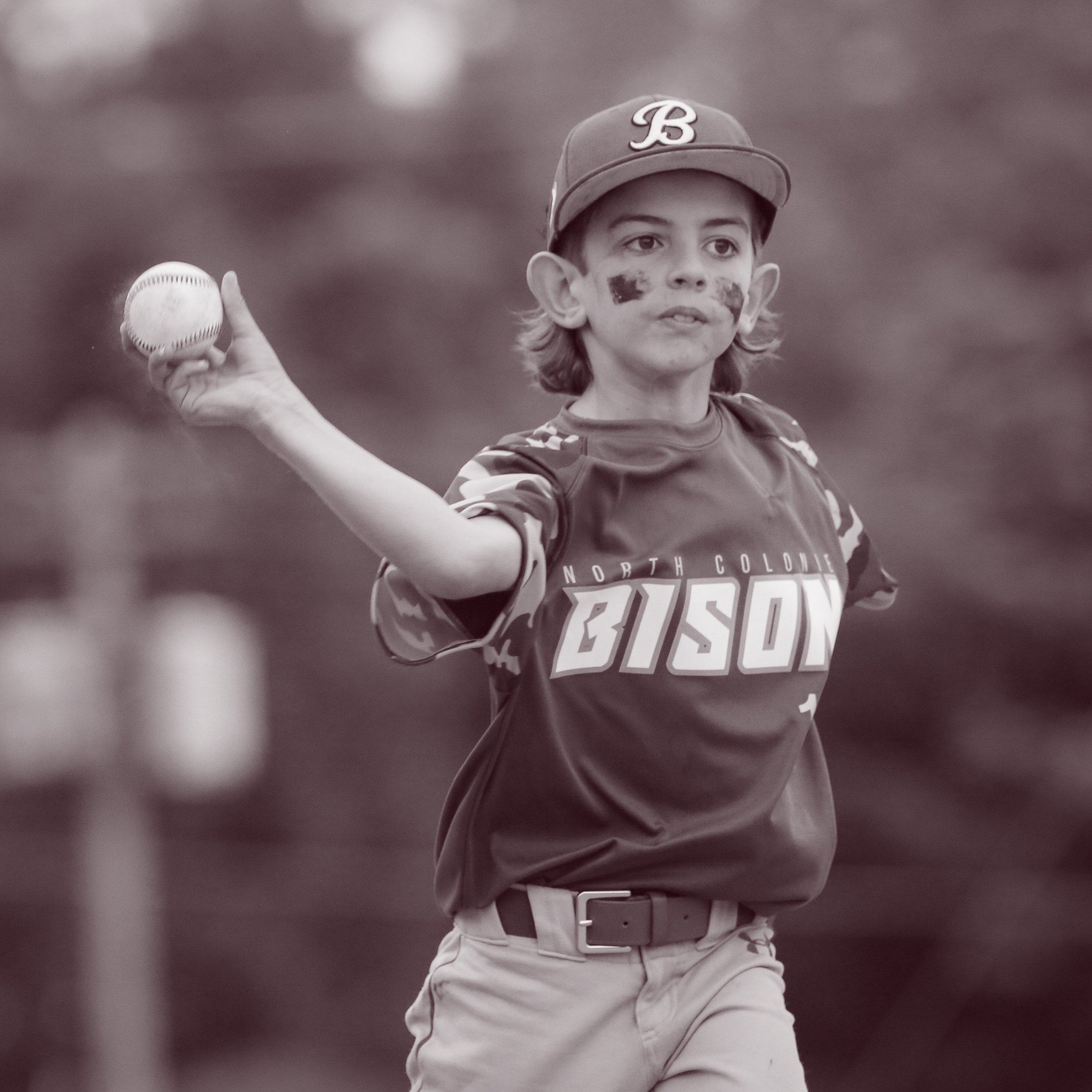
Youth baseball is one of the most rewarding sports that kids can play, but for athletes between ages 9–13, it also comes with a unique set of physical challenges. This age range often lines up with a major growth phase known as peak height velocity (PHV), when kids grow rapidly over a short period of time. During this stage, the body isn’t just getting taller, it is also temporarily more vulnerable. Growth plates (areas of developing cartilage in bones) are weaker than mature bone, and bone strength can actually decrease briefly during growth spurts. For young pitchers, this matters most at the inside of the elbow, where repetitive throwing creates stress. Research shows that simply being taller than about 5 feet or having a big growth jump in a year can increase the risk of elbow pain, especially due to strain on the medial epicondyle which is the area commonly affected in “Little League elbow.”
More than half of youth players show signs of arm stress on imaging, and as growth plates close, that stress can shift to the ulnar collateral ligament (UCL), better known as the Tommy John Ligament. While not every case leads there, the risk factors overlap, making early education and prevention essential for keeping young athletes healthy and on the field.
Risk Factors & Injury Reduction
Pitch Count Limits
The good news is that most of these injuries are preventable with smart habits and proper guidance. Pitch count limits are one of the most effective tools available, but they shouldn’t be one size fits all. These pitch counts should reflect a player’s age, growth rate, and injury history. In accordance with MLB Pitch Smart USA, the general guidelines for pitch counts by age are:
Age 7-8: 50 pitches per game
Age 9-10: 75 pitches per game
Age 11-12: 85 pitches per game
Rest
Additionally, pitch count limits should always be paired with the right rest, which consists of anywhere from zero to four days depending on how many pitches were thrown. The guidelines set by MLB Pitch Smart USA outline the appropriate rest days paired with number of pitches as follows:
1-20 pitches= 0 days rest
21-35 pitches= 1 day rest required
36-50= 2 days rest required
51-65= 3 days rest required (age 9-12)
66+ pitches= 4 days rest required (age 9-12)
Additional Risk Factors & Recommendations
Over the course of a year, exceeding 100 innings significantly increases injury risk, so building in 2–4 months of rest (with at least 2 consecutive months off) is critical. Additionally, it is just as important for athletes to avoid throwing while fatigued, limiting participation across multiple teams, and being cautious with velocity-focused programs (like weighted balls), which can overload developing structures.
Setting limits and rest periods, while developing a strong and balanced athlete is key to staying healthy.
Injury prevention programs focused on rotator cuff strengthening, scapular stability, core strength, hip mobility, and posture can cut injury rates nearly in half. Teaching young players to generate power from their legs and core, instead of relying only on their arm, is a game-changer for both performance and safety. Parents and coaches should also prioritize regular check-ins or screenings, and emphasize long-term development over short-term wins.
Playing The Long Game
Overall, protecting young baseball players isn’t about holding them back, it’s about setting them up for a longer and healthier future in the game that they love. By understanding how growth phases impact the body and respecting pitch counts, rest, and proper training, parents and coaches can make a lasting difference. The goal isn’t just to win games today, but to help athletes stay strong, confident, and injury-free for seasons to come. When we prioritize development over immediate performance, we give young athletes the best chance to keep playing, improving, and enjoying baseball well beyond these formative years.
References:
https://www.sciencedirect.com/science/article/pii/S1877065720300828